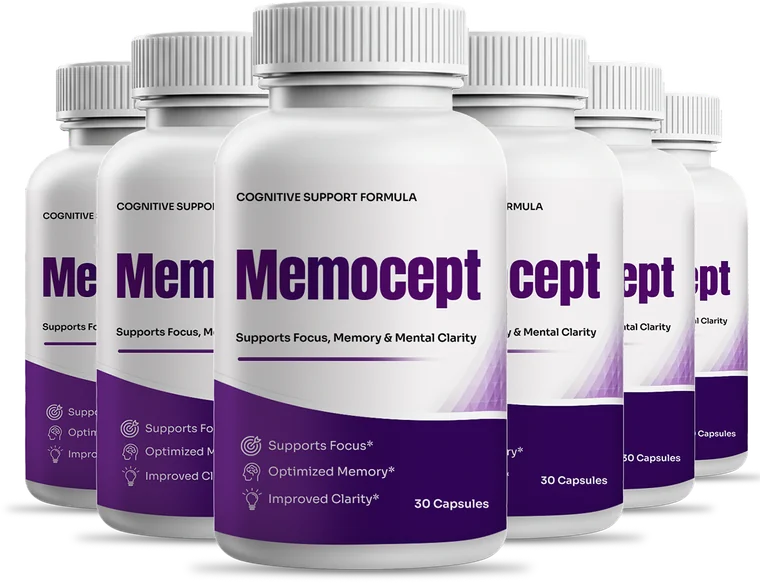
How Does Memocept Work?
Memocept works through memory support (Bacopa), nerve growth factor support (Lion's Mane), and cell membrane support (Phosphatidylserine), each at a disclosed dose.
Ginkgo and Rhodiola add circulation and stress-resilience support, though without disclosed amounts.
Several roles, three of them clearly dosed
Memocept is designed to work through several complementary pathways, with the strongest clarity around the three fully dosed ingredients.
Memory support: bacopa monnieri (300mg)
Bacopa Monnieri carries a substantial modern research base specifically for memory retention and neural communication. At 300mg, this sits within the range used in several published human trials of standardized Bacopa extract. See our full piece on Bacopa and Lion's Mane: the doses that matter.
Nerve growth factor: lion's mane (500mg)
Lion's Mane Mushroom contains hericenones and erinacines, compounds studied for stimulating nerve growth factor production, relevant to long-term brain health and neuroprotection. 500mg is a substantial, disclosed amount relative to many competing formulas.
Cell membrane support: phosphatidylserine (100mg)
Phosphatidylserine helps maintain the fluidity of brain cell membranes, relevant to cognitive function generally. Derived from sunflower lecithin in this formula, making it vegan-friendly.
Circulation and stress resilience: ginkgo and rhodiola
Ginkgo Biloba is studied generally for supporting cerebral blood flow. Rhodiola Rosea is studied for reducing mental fatigue and supporting focus under stress. Neither carries a disclosed amount in the materials we reviewed — see our piece on named versus dosed ingredients for why this distinction matters.
What to realistically expect
Most people notice initial changes within three to six weeks of consistent use, with maximum benefit sometimes reported around twelve weeks. The finished formula has not undergone independent clinical trials as a complete product. See the ingredient list and what it supports.