Named Vs. Dosed Ingredients: A Distinction Worth Tracking
An ingredient appearing on a label tells you it is present. Only a stated milligram amount tells you whether it is present at a level that matches published research.
This distinction matters even on labels that are mostly transparent, since a partial disclosure is still a meaningful gap for the undosed ingredients specifically.
What a named ingredient tells you
Even without an amount, naming an ingredient lets you research it individually: check its general safety profile, look up interaction warnings, and understand the mechanism it is included for. This is meaningfully more transparent than a fully undisclosed proprietary blend that hides even the ingredient names.
What it does not tell you
Without a stated amount, you cannot know whether a formula's inclusion of, say, Ginkgo Biloba or Rhodiola Rosea comes anywhere close to the doses used in published research on those ingredients, or whether it is a much smaller, largely symbolic amount.
Why a mixed label deserves nuanced treatment
A label that discloses some doses and not others should not be treated as either fully transparent or fully opaque. The honest approach is to weigh each ingredient on its own terms: give real credit for the disclosed doses, and treat the undosed ones with the same appropriate caution you would apply to any undosed ingredient elsewhere.
Why this still represents real progress
A label disclosing three of five ingredient doses is doing meaningfully more than a label disclosing zero of five, or one hiding everything inside an undosed blend. Partial transparency is not full transparency, but it is a real, measurable step above the category norm, and it deserves to be recognized as such rather than dismissed for its remaining gaps.
Applying this to Memocept
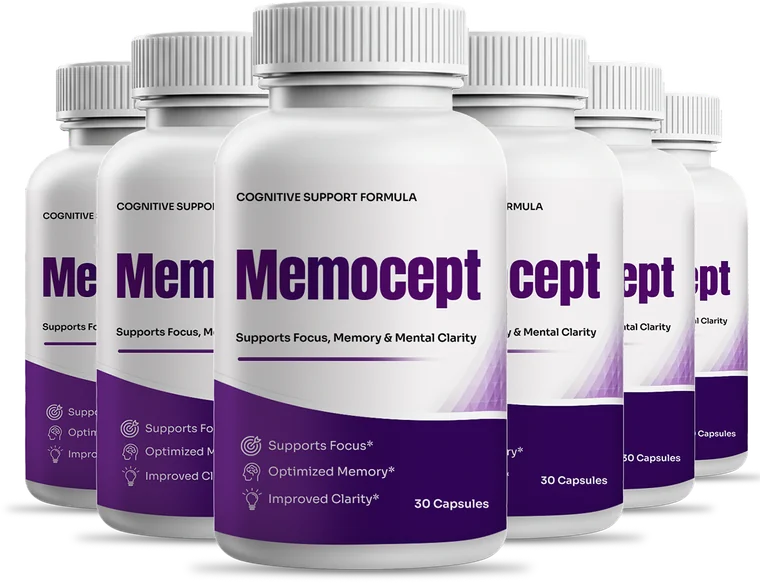
Memocept discloses exact doses for three of its five ingredients — Lion's Mane, Bacopa Monnieri and Phosphatidylserine — while naming Ginkgo Biloba and Rhodiola Rosea without a stated weight. See our piece on the two best-dosed ingredients for how those specific numbers compare to published research.